

後払いアプリは、クレジットカードを持っていなくてもスマホさえあれば対応している店舗やネットショップで後払いで決済ができる決済サービスです。
クレジットカードを使いたくないけれど今は手持ちの現金がない、という人でも後払いアプリを利用することで欲しいものを購入するチャンスを逃すことがありません。
こちらの記事では、

後払いアプリおすすめ人気ランキング

1位:あと払いペイディ
| 支払いタイプ | 非チャージタイプ |
|---|---|
| 審査の有無 | 登録:審査なし 後払い機能:審査あり |
| 手数料 | コンビニ払いの場合390円※口座振替は無料 |
| 利用上限額 | 決済の度に変動 |
| 支払い期日 | 翌月10日まで |
| 年齢制限 | 18歳以上(高校生を除く) |
| 利用可能な店舗 | 実店舗 通販・ECサイト |
| 公式URL | https://paidy.com/ |
AmazonやQoo10、その他にも支払い方法でVisaに対応しているショッピングサイトで利用することができる、後払いアプリです。
リアルカードを発行すれば、Visaでの支払いに対応した実店舗でも利用することができます。
決済の度に手数料がかかることがなく、返済時も口座振替なら手数料はかかりません。
利用金額があらかじめ設定した予算を超えると、メールとプッシュ通知でお知らせする機能があるので使いすぎを防ぐことが可能です。
2位:PayPay
| 支払いタイプ | 非チャージタイプ |
|---|---|
| 審査の有無 | 登録:審査なし 後払い機能:審査あり |
| 手数料 | なし(1回払いの場合) |
| 利用上限額 | 本人確認をすると過去24時間で50万円 |
| 支払い期日 | 翌月27日 |
| 年齢制限 | なし(未成年は法定代理人の同意が必須) |
| 利用可能な店舗 | 実店舗 通販・ECサイト |
| 公式URL | https://paypay.ne.jp/ |
全国多数の店舗で支払い方法として利用することができ、QRコード・バーコードの提示で簡単に決済を行うことができます。
年会費無料で一括払いなら、手数料もかかりません。クレジットカードでの支払いができない店舗でも、PayPayに対応していればPayPayクレジットで後払いをすることができます。
税込200円の支払いにつき、1.0%のPayPayポイントが貯まるのでお得です。アプリの画面で、残高払いと後払いの切り替えを簡単にすることができます。
3位:LINE Pay

| 支払いタイプ | 非チャージタイプ |
|---|---|
| 審査の有無 | 登録:審査なし 後払い機能:審査あり |
| 手数料 | なし |
| 利用上限額 | 本人確認をすると1日最大100万円 |
| 支払い期日 | 原則翌月26日 |
| 年齢制限 | なし(LINEアカウントがあれば利用可能) |
| 利用可能な店舗 | 実店舗 通販・ECサイト |
| 公式URL | https://pay.line.me/portal/jp/main |
店舗での支払いや友だちへの送金、ネットショッピングや公共料金の支払いなど、さまざまな場面で利用することができる決済手段です。
「チャージ&ペイ」という機能を使えば、クレジットカードで後払いをすることもできます。
チャージ&ペイを利用すると、即座に利用金額などの詳細がLINEのメッセージで通知されるので、使いすぎることがなく、万が一不正利用があった場合でもすぐに気づくことができるので安心です。
4位:B/43
| 支払いタイプ | チャージタイプ |
|---|---|
| 審査の有無 | 登録:審査なし 後払い機能:審査あり |
| 手数料 | 500円〜1,800円 |
| 利用上限額 | 50,000円 |
| 支払い期日 | 翌月末 |
| 年齢制限 | なし(未成年は親権者、法定代理人の同意が必須) |
| 利用可能な店舗 | 実店舗 通販・ECサイト |
| 公式URL | https://b43.jp/ |
チャージ式Visaプリペイドカードと、家計簿アプリがセットになったサービスで、Visaマークのある店舗やネットショップでの支払いに利用することができます。
- 1人で使うB/43マイカード
- 2人で使うB/43ペアカード
- 親子で使うB/43ジュニアカード
の3種類があり、目的に応じた使い方を選べるのが魅力です。入出金は、コンビニ・銀行ATMで手軽に行うことができます。
あとばらいチャージは、事前にカードを発行する必要がありますが、アプリから簡単に申し込みをすることが可能です。
あとばらいチャージで入金した金額の支払いは、その日から翌月末までの好きなタイミングで行うことができるので、忘れないうちに早めに返済しておきたいという人に便利です。
5位:Smartpay
| 支払いタイプ | 非チャージタイプ |
|---|---|
| 審査の有無 | 登録:審査なし 後払い機能:審査あり |
| 手数料 | あり |
| 利用上限額 | 本人確認をすると60,000円 |
| 支払い期日 | 購入先により異なる |
| 年齢制限 | 18歳以上 |
| 利用可能な店舗 | ECサイト |
| 公式URL | https://smartpay.co/ |
手数料・利息無料で3回分割払いができる、後払いサービスです。口座振替で支払いができるので、返済をする手間や払い忘れの心配もありません。
アカウント登録をすれば簡単に利用を開始することができ、決済はワンクリックで可能、返済にはクレジットカードだけでなく銀行口座も利用することができます。
一度登録をすると、次回からは30秒ほどでスピーディーに決済が完了します。
無理なく返済できる分割払いをしたいけれど、クレジットカードでは分割手数料がかかるため損をしてしまう、と迷っている人に特におすすめです。
6位:ultra pay
| 支払いタイプ | チャージタイプ |
|---|---|
| 審査の有無 | 登録:審査なし 後払い機能:審査あり |
| 手数料 | 500円〜1,800円 |
| 利用上限額 | 50,000円 |
| 支払い期日 | 翌月末 |
| 年齢制限 | 18歳以上(未成年は親権者、法定代理人の同意が必須) |
| 利用可能な店舗 | 実店舗 通販 |
| 公式URL | https://ultra-pay.co.jp/ |
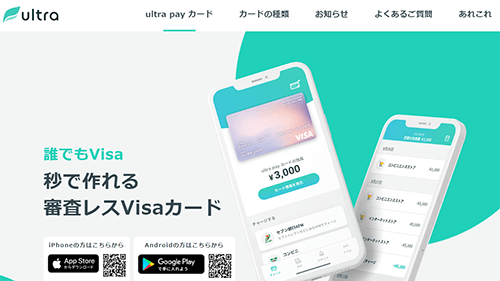
アプリからアカウントを登録すると、オンラインショッピングカード「でじなカード」がすぐに発行され、チャージをすることで支払いに使うことができます。プリペイドカードなら審査なしで作ることができます。
オンラインショッピング以外で使える「そとなカード」や、「そとなカード+」も発行可能です。チャージ方法は、コンビニ・セブン銀行ATM・銀行ATM(Pay-easy)・後払いがあります。
使った金額はアプリの利用履歴から確認できるので、出費の管理をして使いすぎを防くことが可能です。
万が一、カードを紛失してしまった場合でも、アプリのボタンひとつですぐに利用停止・再開をすることができるので安心です。
7位:バンドルカード

| 支払いタイプ | チャージタイプ |
|---|---|
| 審査の有無 | 登録:審査なし 後払い機能:審査あり |
| 手数料 | 510〜1,830円 |
| 利用上限額 | 50,000円 |
| 支払い期日 | 翌月末 |
| 年齢制限 | 18歳以上 |
| 利用可能な店舗 | 実店舗 通販・ECサイト |
| 公式URL | https://vandle.jp/ |
スマホひとつでチャージと支払いができる、Visaカードとして使用することができるアプリです。
累計1,000万ダウンロードを達成し、非常に多くの人々から利用されていることから、使い勝手の良さや信頼性の高さがわかります。
ポチッとチャージは後払いではあるものの、決まった金額をチャージする形となるので、あらかじめ予定していた金額以上に使いすぎるリスクがありません。
氏名・生年月日・メールアドレス・電話番号といった簡単な個人情報を登録するだけで、利用申し込みをすることが可能です。
利用分の支払い方法は、コンビニ・セブン銀行ATM・ネット銀行・銀行ATM(Pay-easy)から選ぶことができます。
8位:PayPal
| 支払いタイプ | 非チャージタイプ |
|---|---|
| 審査の有無 | なし |
| 手数料 | 日本国内であれば無料 |
| 利用上限額 | 100万円 |
| 支払い期日 | 購入から14日後 |
| 年齢制限 | – |
| 利用可能な店舗 | 通販・ECサイト |
| 公式URL | https://www.paypal.com/jp/home |
デビットカード・クレジットカードの他に、銀行口座からも支払いができる決済サービスです。
オンラインショッピングや世界の2,400万以上のお店で利用することができ、3億人以上のユーザーがいる安全なサービスです。
チャージをしなくても手軽に支払いができるので、すぐに決済を済ませたい時に便利です。
日本国内でのショッピング、日本円・日本のアカウント間の送金であれば、手数料がかかりません。
PayPayの利用でも、クレジットカードのポイントが貯まるのでお得です。
9位:au PAY
| 支払いタイプ | チャージタイプ |
|---|---|
| 審査の有無 | あり |
| 手数料 | 無料 |
| 利用上限額 | 1日あたり50万円 |
| 支払い期日 | 翌月10日 |
| 年齢制限 | なし |
| 利用可能な店舗 | 通販・ECサイト |
| 公式URL | https://aupay.auone.jp/ |
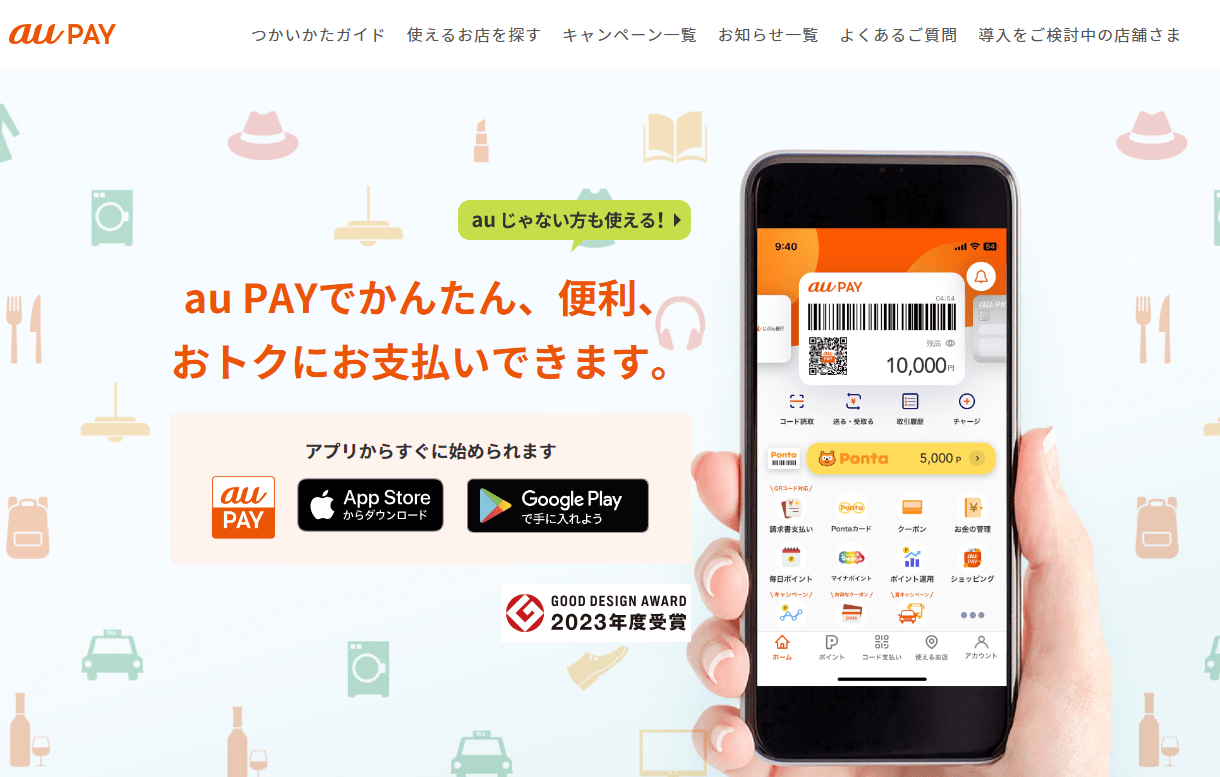
アプリから残高にチャージをして、コード支払い・ネット支払い・請求書支払い・QUICPay+支払い・プリペイドカード支払いが利用できます。
au PAYは利用できる店舗がどんどん増えていて、コンビニなどQRコード決済に対応している多くの店舗での支払いに使うことができます。
店頭ではQRコード決済をする形となりますか、利用金額は後日クレジットカードやキャリア決済の料金と一緒に、まとめて請求されます。
また、auのネットショッピングサイトであるau PAYマーケットでは、「ゆったり後払い」という支払い方法を選択することができましたが、こちらのサービスは2023年3月31日で終了しています。
10位:atone(アトネ)
| 支払いタイプ | 非チャージタイプ |
|---|---|
| 審査の有無 | あり |
| 手数料 | 209円 |
| 利用上限額 | 50,000円 |
| 支払い期日 | 翌月10日 |
| 年齢制限 | なし(未成年は親権者、法定代理人の同意が必須) |
| 利用可能な店舗 | 実店舗 通販・ECサイト |
| 公式URL | https://aupay.auone.jp/ |
ネットショッピングで使うことができる後払い決済サービスで、カードの登録をせずに利用することが可能なので不正利用のリスクがありません。
ネットショップで利用する際には、お客様情報の登録後にSMS認証をするだけなので簡単です。
利用金額はアプリにリアルタイムで反映され、事前に予算設定もすることができるので支払いの管理をしやすく、使いすぎを防ぐことができます。
200円の利用につき1ポイント貯まり、ポイントが貯まりやすいお得なキャンペーンも定期的に開催されています。
11位:ソフトバンクカードアプリ
| 支払いタイプ | チャージタイプ |
|---|---|
| 審査の有無 | あり |
| 手数料 | なし |
| 利用上限額 | 1日100万円 |
| 支払い期日 | 翌月6・16・26日 |
| 年齢制限 | なし |
| 利用可能な店舗 | 実店舗 通販・ECサイト |
| 公式URL | https://www.softbank.jp/card/ |
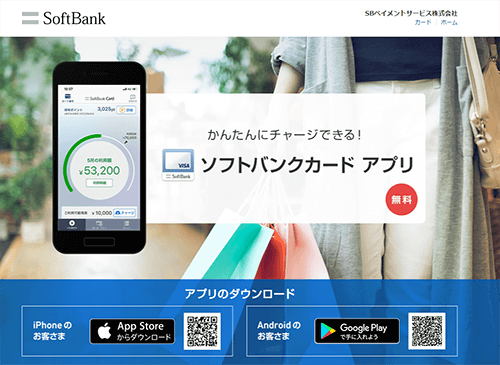
最短1分で設定が完了し、コンビニなどでスマホをかざすだけで支払いができるアプリです。
利用履歴は、自動的にカテゴリ分けされる機能があるので、家計簿アプリとして利用して支出の管理をすることができます。
アプリのページを開くと、毎月の利用金額がグラフでわかりやすく表示されるので、確認のしやすさも魅力です。
リアルカードを発行すれば、Visaマークのあるコンビニやスーパーなどのさまざまな店舗で、クレジットカードと同じように使用することができます。
12位:Kyash

| 支払いタイプ | チャージタイプ |
|---|---|
| 審査の有無 | あり |
| 手数料 | 500〜1,800円 |
| 利用上限額 | 50,000円 |
| 支払い期日 | 翌月末 |
| 年齢制限 | なし(未成年は親権者、法定代理人の同意が必須) |
| 利用可能な店舗 | 実店舗 通販・ECサイト |
| 公式URL | https://www.kyash.co/ |
Visaプリペイドカードとスマホで、簡単にオンラインショッピングやスマホ決済ができるアプリです。
アプリからネットショップに簡単にアクセスすることができ、Visaに対応した国内外1億以上の店舗で利用することが可能です。
3,000円〜50,000円の範囲で必要な金額を入金し、支払いは翌月末でOKという後払いチャージ「イマすぐ入金」も利用できます。
少額で利用できるので無理なく返済することができ、入金額を選択すると手数料も自動的に表示されるので、わざわざ調べる必要がありません。
面倒な書類の手続きは不要で、スマホがあれば来店不要で利用を開始することが可能です。
13位:QUICPay
| 支払いタイプ | 非チャージタイプ |
|---|---|
| 審査の有無 | 登録:審査なし 後払い機能:審査あり |
| 手数料 | 3.25% |
| 利用上限額 | カードタイプは20,000円 |
| 支払い期日 | 翌月または翌々月2日 |
| 年齢制限 | 18歳以上 |
| 利用可能な店舗 | 実店舗 通販・ECサイト |
| 公式URL | https://www.quicpay.jp/ |
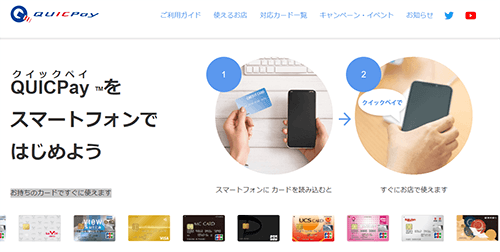
店頭で、専用の端末にスマホをかざすだけで決済を行うことができる電子マネーで、QUICPayまたは QUICPay+のマークがある店舗で使用することができます。
セブンイレブンやローソン、ENEOSやイオンなど全国にあるたくさんの店舗で利用が可能です。
お得なキャンペーンが開催されたり、特定の店舗で割引特典などが受けられるクーポンも配信されたりしています。
QUICPay+なら、クレジットカードだけでなくプリペイドカードやデビットカードも登録が可能で、さらに利用できる金額の上限が上がります。
14位:d払い
| 支払いタイプ | キャリア決済・チャージタイプ |
|---|---|
| 審査の有無 | あり |
| 手数料 | なし |
| 利用上限額 | 最大50,000円 |
| 支払い期日 | 翌月10日 |
| 年齢制限 | なし |
| 利用可能な店舗 | 実店舗 通販・ECサイト |
| 公式URL | https://service.smt.docomo.ne.jp/keitai_payment/ |
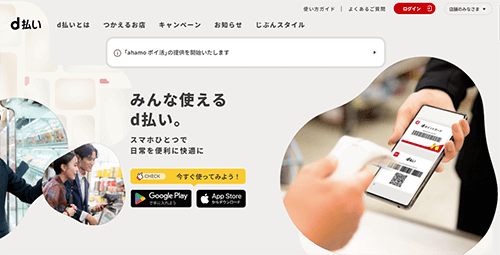
ドコモユーザーはもちろん、ドコモ以外の携帯電話・スマホを使っている人でも、dアカウントを取得すれば利用できるキャリア決済です。
d払いアプリをダウンロードし、4桁の暗証番号を道路すれば最短30秒で登録が可能です。
利用分の支払い方法は、電話料金合算払い・d払い残高・dカードやその他のクレジットカードから選択することができます。
dカード、またはdカードGOLDを利用して支払えばポイントも貯めることができるので、大変お得です。
24時間365日、不正な動きのあるアカウントの検知を行っていて、不正利用があった場合の補償制度もあるので、安心して利用することができます。
15位:BANKIT
| 支払いタイプ | チャージタイプ |
|---|---|
| 審査の有無 | 登録:審査なし 後払い機能:審査あり |
| 手数料 | 300円 |
| 利用上限額 | 3,000円あるいは6,000円 |
| 支払い期日 | 毎月27日 |
| 年齢制限 | 18歳以上 |
| 利用可能な店舗 | 実店舗 通販・ECサイト |
| 公式URL | https://www.bankit.jp/service/ |
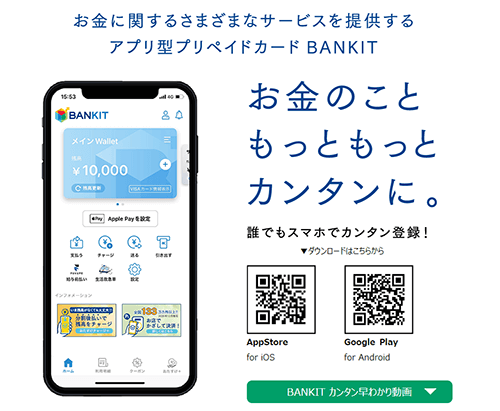
電話番号とメールアドレスを登録するだけで、アプリ型のVisaプリペイドカードを発行することができ、登録料・年会費は無料です。
クレジットカードを持っていなくても、Visaのクレジットカードに対応したネットショッピングやゲーム課金に使うことができます。
バーコード決済で、QUICPay加盟店やVisaタッチ決済対応の店舗で支払いをすることができ、リアルカードを発行してVisaのクレジットカードと同様に使用することも可能です。
さらに、キャッシングや分割払いのできる「おたすけチャージ+」という、便利な後払いサービスもあります。
16位:メルペイ
| 支払いタイプ | 非チャージタイプ |
|---|---|
| 審査の有無 | 登録:審査なし 後払い機能:審査あり |
| 手数料 | 定額払いは年率15% |
| 利用上限額 | 自分で設定が可能 |
| 支払い期日 | 翌月1日から末日までの好きなタイミング |
| 年齢制限 | 18歳以上 |
| 利用可能な店舗 | 実店舗 通販・ECサイト |
| 公式URL | https://www.merpay.com/ |
コンビニや飲食店、ドラッグストアなど全国のたくさんの店舗で利用することができる決済サービスです。
メルカリの売上金や銀行口座からのチャージも可能ですが、月々の利用額を翌月まとめて支払うことができる、「メルペイあと払い」という機能もあります。
さらに、メルペイあと払いの利用金額を月々決まった金額で返済することができる定額払いも利用できるので、高額の商品を購入したいけれど一括で返済するのは難しい、という人にもおすすめです。
定額払いで利用した分は、後から一括返済・繰り上げ返済することも可能なので、気軽に利用することができます。
17位:Bank Pay
| 支払いタイプ | 非チャージタイプ |
|---|---|
| 審査の有無 | なし |
| 手数料 | 無料 |
| 利用上限額 | 10万円 |
| 支払い期日 | 決済時 |
| 年齢制限 | なし |
| 利用可能な店舗 | Bank Pay加盟店 |
| 公式URL | https://jeppo.jp/bankpay/index.html |
全国の金融機関が加盟する、日本電子決済推進機構が運営するスマホ決済サービスです。審査不要で年齢制限もなく、スマホさえあればすぐに利用をスタートすることができます。
決済金額は、銀行口座からリアルタイムで引き落とされ、チャージをする手間はかかりません。
ATMを利用しなくても、家族や友達などへもアプリで送金することが可能です。自動車税や固定資産税などの請求書払いにも、手数料無料で対応しています。
18位:NP後払い
| 支払いタイプ | 非チャージタイプ |
|---|---|
| 審査の有無 | あり |
| 手数料 | 無料 |
| 利用上限額 | 11万円 |
| 支払い期日 | 請求書発行日から14日以内 |
| 年齢制限 | なし |
| 利用可能な店舗 | NP後払い加盟店 |
| 公式URL | https://np-atobarai.jp/ |
クレジットカードも口座登録も不要で、全国約20万3,000の店舗で利用できる後払いサービスです。
商品を確認してから支払いができるので、初めてのネットショップを利用する時にも安心で、支払いをしたのになかなか商品が届かないということもありません。
利用した金額は、コンビニ・郵便局・銀行・LINE Payのいずれかで後払いをすることができます。
ショッピング以外で無料ゲームでポイントをゲットしたり、ポイントアップキャンペーンでお得にポイントを貯めることが可能です。
19位:後払いワイド

| 支払いタイプ | 非チャージタイプ |
|---|---|
| 審査の有無 | あり |
| 手数料 | 分割・リボ払いは年率15.0% |
| 利用上限額 | 初回は10万円※最大30万円 |
| 支払い期日 | 毎月1日 |
| 年齢制限 | 18歳以上(高校生を除く) |
| 利用可能な店舗 | ECサイト |
| 公式URL | https://www.pocketcard.co.jp/c-ato-wide/ |
後払いワイドは、ポケットカード株式会社が定期する後払い決済サービスです。
クレジットカード番号を入力することなく決済を行うことができ、2回目以降はID・パスワードの入力と、SMS認証のみで利用可能です。
利用可能額は初回から10万円、最大で30万円なので高額のショッピングをしたい時にもおすすめです。
利用額の支払い方法は、コンビニでの払い込みや銀行振込の他に、手間がかからず払い忘れのない口座振替も利用することができます。
20位:ファミペイ

| 支払いタイプ | チャージタイプ |
|---|---|
| 審査の有無 | あり |
| 手数料 | 店頭払いの場合は330円※口座振替は無料 |
| 利用上限額 | 最大10万円 |
| 支払い期日 | 翌月27日 |
| 年齢制限 | 18歳以上 |
| 利用可能な店舗 | 実店舗 通販・ECサイト |
| 公式URL | https://famipay.famidigi.jp/guide/skip/ |
全国のファミリーマートで利用することができるバーコード決済で、0.5%の還元率でポイントが貯まります。新規会員登録で必ずクーポンをもらうことができ、お得なアプリ限定クーポンが定期的に配信されます。
ファミリーマートで販売されている「お買い得」の商品をファミペイで購入すると、ファミペイボーナスを取得することができます。
自分で利用上限金額をあらかじめ設定しておくこともできるので、後払いでありがちな使いすぎのリスクを避けることができます。
ファミペイ翌月払いでは、毎月の支払いを定額にできる「自動リボ」や、全額支払い月を繰越できる「スキップ払い」、支払い回数を指定できる「分割払い」も利用可能です。
後払いアプリとは
後払いアプリというのは、商品やサービスを購入した代金を後から決済できるスマホ決済アプリのことです。
アプリをスマホにダウンロードすればすぐ使える気軽さと、商品を目で見てから料金を支払える安心感が魅力です。
年々利用できる店舗も拡大しており、以前はオンラインショップ限定のものが多かった一方、最近では実店舗で利用できる後払いアプリも増えています。
後払いアプリのメリット
後払いアプリにはさまざまなメリットがあります。
そこで、その中でも特に利用をおすすめする理由となっているメリット3つの詳細を以下で解説しています。
クレジットカードがなくてもスマホ一つで決済が可能
後払いアプリは、普通のアプリ同様スマホにダウンロードした時点で使えるようになるものがほとんどです。
クレジットカードを持っていない人でも後払いアプリであればスマートフォンさえあればすぐ使えます。
その気軽さや便利さは、後払いアプリならではの魅力です。
審査や年齢制限が緩い
後払いアプリの多くが、クレジットカードに比べて審査や年齢制限が緩いです。
クレジットカードが作れなかった人でも、後払いアプリであれば審査が通ることもよくあります。
また、年齢制限がそもそもない後払いアプリもあるので、学生でクレジットカードを作れない人にもおすすめの選択肢です。
商品やサービスを実際に見てから料金を支払える
アプリに限った話ではないものの、後払いできるということは、商品やサービスの内容を確認してから支払いの判断をできることを意味します。
万が一商品やサービスが気に入らなかった場合、返品や解約がしやすいところも後払いアプリで料金を支払うメリットです。
後払いアプリのデメリット
後払いアプリは魅力的なサービスではあるものの、デメリットがないわけではありません。
以下で、後払いアプリ利用時に知っておくべきデメリット3つの詳細を解説しています。
利用限度額が低め
後払いアプリは審査や年齢制限が緩い分、利用限度額が低めに設定されています。
まとまった額の買い物をしたいとき向きの選択肢ではありません。
ただ、自然と使い過ぎを防げるので、自己管理が苦手な人にはむしろメリットと言える特徴でもあります。
手数料が高い
後払いアプリによっては、後払いにすると手数料がかかります。
詳細は後払いアプリによって異なるので、必ず後払いにした際にかかる手数料の詳細を確認しておきましょう。
なお、中には所定の条件を満たせば、後払いを選んでも手数料がかからないアプリもあります。
使える店舗が限られている
後払いアプリは、利用できる店舗がアプリによって異なります。
ただ、多くの後払いアプリがクレジットカードに比べて使える店舗が限られています。
中には、オンラインショップ専用で、実店舗で使えない後払いアプリもあるほどです。
実店舗で後払いアプリを使いたい人は、事前にどこで利用できるかの詳細を確認しておきましょう。
後払いアプリの選び方

後払いアプリを選ぶ際に、特に注目すべきポイントについて以下にまとめました。
それぞれ、詳しく見ていきましょう。
アプリのタイプ(使いやすさ)
後払いアプリには、大きく分けて「チャージタイプ」「非チャージタイプ」「キャリア決済」の3種類の支払いタイプがあり、それぞれにメリット・デメリットがあります。
チャージタイプは、使う金額を事前にチャージする形となるため、予定していた金額より使いすぎてしまうという心配がありません。
ただし、使う度にチャージをしなければならないので、面倒に感じてしまう人もいるでしょう。
それに対して、非チャージタイプは使用の際にチャージをする必要がなく、すぐに支払いに使えるのがメリットです。
ただし、クレジットカードのように後日利用金額がまとめて請求されるので、使いすぎてしまい支払いが困難になるリスクはあります。
キャリア決済は、使用しているスマホの料金と一緒に支払いができるので、支払い日をまとめられるのがメリットです。
分割支払いができるアプリ
後払いアプリがあれば、手元に現金がなくてもショッピングをすることができますが、利用金額によっては翌月一括で支払いをするのは難しい場合もあるでしょう。
そんな時には、分割払いが利用できる後払いアプリを使うという方法があります。
クレジットカードの場合、分割払いでは普通は手数料がかかりますが、後払いアプリの中には手数料がかからないものもあるので、お得に分割払いをしたい人は是非チェックしてみましょう。
加盟店が多いアプリ(実店舗向けか通販向けか)
後払いアプリの種類によって、使用できる店舗やオンラインストアが異なります。使い勝手の良さを重視するなら、できるだけ加盟店が多いアプリを選ぶことをおすすめします。
たとえば、実店舗でもっとも使いやすいのはPayPayです。他のバーコード決済には対応していなくてもPayPayだけは取り扱いがある、という店舗が多いです。
オンラインストアで使いやすいのは、paidyやバンドルカードアプリで、Amazonをはじめとするさまざまなショッピングサイトで使用することができます。
利用上限額
後払いアプリは、種類によって利用上限額が異なります。利用上限額が少ないアプリは、高額の商品を購入したい時には向いていません。
最初からある程度高額の利用をすることを予定しているなら、上限額が高いアプリを選ぶことをおすすめします。
アプリによっては、初回の上限額がかなり低く設定されていて、利用実績によって上限金額が高くなるものもあります。
最大の利用上限額が高くても、最初は高額の利用ができないアプリもあるので、条件についてしっかり確認しておくことが大切です。
本人確認の内容が手軽なアプリ
後払いアプリは、利用の際に本人確認が必要なものがほとんどですが、すぐに使いたい時に手続きに時間がかかるのは不便です。なるべく簡単に、本人確認を済ませることができるアプリがおすすめです。
身分証明書の画像などを送信しなければならないと、承認までに時間がかかることが多いですが、SMS認証のみで本人確認ができるアプリであれば、会計前に手軽に済ませてすぐに決済を行うことができます。
後払い機能を利用するにはほとんどの後払いアプリで一定の審査が必要ですが、登録自体は審査なしで利用できる後払いアプリもあるので、面倒な手続きを極力省きたいといった方は
手数料を確認
後払いアプリは、決済時に手数料がかかるものが多いです。利用金額が高くなるほど高い手数料が設定されていることも多いので、高額の利用をする人や頻繁に何回かに分けて使用する人は、手数料がかなりかかってしまいます。
そのような使い方をする人は、なるべく手数料が安い、あるいは無料の後払いアプリを選んだ方が損をしなくてすみます。
ただし、手数料が無料でも支払い期日を過ぎて滞納をしてしまうと遅延損害金を支払うことになるので、注意が必要です。
支払い期限の確認
後払いアプリによって、支払い期限はさまざまです。翌月下旬や末日が期限というアプリは多いですが、中には1ヶ月未満で支払いをしなければならないアプリもあります。
すぐにはお金を用意できない、支払い日までにできるだけ余裕がほしい、という人は支払い期限までの日数が長いアプリがおすすめです。
アプリを選ぶ際には、締め日や支払い日についてもしっかり確認しておきましょう。
審査なしで登録可能な後払いアプリ
後払いアプリの中には、審査なしで登録可能なものもあります。
以下で、審査なしで登録できるおすすめの後払いアプリを3つ紹介していきます。
バンドルカード
バンドルカードは、審査なしで誰でもそく作れるVISAプリペイドカードです。
アプリを使えば、1分もかからずしてバーチャルタイプのバンドルカードを作れます。
バンドルカードの基本的な使い方は事前チャージ制ですが、チャージ方法のひとつである「ポチっとチャージ」を選べば後払い可能です。
ポチっとチャージの利用には審査を受ける必要があるものの、かなり簡単なものなのでまず落ちることはありません。
PayPay
審査や年齢制限のないPayPayも、後払い可能です。
通常PayPayは事前に現金でチャージを行い、その残高を使って買い物をします。
ただ、PayPayの支払い方法のひとつであるPayPayクレジットを使えば、その月に使った金額を翌月にまとめて後払いできます。
事前チャージ不要で一括で支払う限り手数料もかかりません。
ただ、PayPayクレジットの利用にはPayPayカードが必要で、審査に通らないと使えない点には注意が必要です。
メルペイ
メルカリが手掛けるスマホ決済「メルペイ」も、後払い可能です。
メルペイは現金やクレジットカードで事前チャージして使うのが基本ですが、メルペイスマート払いを選択すれば、その月使った金額を翌月まとめて支払えます。
メルカリの売上金を使うこともでき、自動支払いのほかコンビニやATMでの支払いにも対応しています。
ただし、メルペイスマートの利用には本人確認が必須で18歳未満は使えない点にはご注意ください。
コンビニで利用できる後払いアプリ
日用品がなんでも揃うコンビニで後払いアプリが使えれば、手元に現金がなくても必要なものをたいてい買えます。
そこで以下では、コンビニで使えるおすすめの後払いアプリ3選を紹介しています。
Kyash
VisaプリペイドカードであるKyashは、VISA加盟店のコンビニすべてで使えます。
ただ、Kayshアプリからの決済はオンラインでしか使えません。
Apple PayやGoogle Payに事前に設定することで、実店舗でアプリ決済を利用できるようになります。
また、「イマすぐ入金」を利用すれば、3,000円~50,000円まで希望の金額を後払いにできます。
後払いにかかる手数料が、申し込みのタイミングでわかる安心感もKashの魅力です。
d払い
NTTドコモが提供している決済サービスd払いも、後払い決済可能です。
ただ、後払い決済できるのはNTTドコモの携帯電話回線を契約している人に限ります。
d払いの支払い方法を「電話料金合算払い」にすることで、d払いで支払った分が電話料金と一括で後払いできます。
ドコモユーザー以外については後払いはできないものの、d払い自体は利用可能。
ローソンやファミリーマート、セブンイレブン、セイコーマートなど、全国のさまざまなコンビニでの支払いに使えます。
ファミペイ
ファミリーマートのファミペイ決済機能が付いたアプリ「ファミペイ」。
チャージして利用できるほか、不足分は自動的に翌月払いにでき、翌月払いについても利用金額200円につき1ポイントをもらえます。
また、dカードや楽天カード、ポンタカードなどの紐づけやお得なクーポンが充実している点も魅力です。
ただ、ファミペイを使えるコンビニは、ファミリーマートとミニストップに限られる点にはご注意ください。
限度額の高い後払いアプリ
後払いアプリは基本的に限度額がやや低めに設定されていることが多いです。
ただ、上限額の違いも大きく、中には高額商品の購入に使える後払いアプリもあります。
そこでここでは、まとまった額を後払いで支払いたいときにぴったりな、おすすめアプリ3選を紹介しています。
PayPay
PayPayで使える後払い方法であるPayPayクレジットの上限金額は、本人確認をしていない場合、過去24時間10万円・30日間も10万円に設定されています。
一方で、本人確認を行うと、最大24時間50万円まで後払いできる上限額を引き上げることができます。
PayPayの後払いの利用にはPayPayカードが必要で審査もありますが、後払いアプリの中でも断トツで高い上限金額が魅力です。
あと払いペイディ
あと払いペイディは、AmazonやQoo10などの大手通販サイトで使える便利な後払いアプリです。
注文確定時に審査に通る必要はありますが、初回限度額が1万円~5万円と後払いアプリとしてはかなり高めです。
さらに、利用状況に応じて最大25万円までその枠をアップできます。
また、「ペイディプラス」に無料アップデートすれば、実店舗での支払いにも使えます。
au PAY
auが提供している決済アプリau Payも、チャージ式が基本ではあるものの、クレジットカードやキャリア決済と連携することで後払いアプリとしても使えます。
後払い決済できる限度額は、契約期間によって異なり1万円~10万円にそれぞれ設定されています。
契約期間がすでに2年以上あって通信料金の支払いの遅れがないauユーザーは、すでに限度額10万円を使える可能性が高いです。
まとまった後払いをしたい場合、一度自分が使える後払いの上限額を確認してみるのがおすすめです。
バーチャルカードが発行できる後払いアプリ
物理的なカードが存在しないバーチャルカードは、カード番号や有効期限が一時的なものが多く、一般的なクレジットカードよりセキュリティ面で優れています。
発行も簡単にできすぐに使えるところも、バーチャルカードならではの魅力です。
バンドルカード
MUFGグループが提供するバンドルカードを使えば、バーチャルカードを誰でも即時発行できます。
バンドルカードのバーチャルカードの発行には年齢制限もないので、学生やクレジットカードをなかなか作れない人にぴったりです。
また、「ポチっとチャージ」を使えば後払いもできますが、利用上限額が5万円とやや低めに設定されています。
カードを持つとついお金を使いすぎてしまう人に、特におすすめです。
atone(アトネ)
後払いアプリatone(アトネ)では、atoneアプリ専用カードという名のバーチャルカードを最短5分で作れます。
AmazonやYahoo!ショッピング、Qoo10などで使えて、200円の支払いにつき1ポイントたまります。
バーチャルカードを作る際年齢制限なども一切設けられていません。
オンラインで買い物したいけどクレジットカードが作れない学生などにぴったりです。
BANKIT
BANKITは、アプリをインストールするだけでバーチャルカードの使用をすぐ開始できます。
インストールするだけでインターネット専用のVisaプリペイドカードが発行され、本人確認も不要です。
基本的にはあらかじめチャージした分を使うことになりますが、「おたすけチャージ+(プラス)」を活用すれば後払いにできます。
ただし、後払いについては18歳以上しか利用できず、所定の審査に通る必要がある点にはご注意ください。
後払いアプリの注意点
後払いアプリは便利で魅力的なサービスではあるものの、利用にあたって注意すべき点があるのも事実です。
具体的には、滞納・使い過ぎ・スマホのセキュリティには注意が必要です。
以下で、後払いアプリを使い始める前におさえておきたい注意点3つの詳細を解説しています。
滞納
一度でも滞納してしまうと、後払い機能の使用に制限がかかってしまうことがあります。
滞納を1回しただけでも、上限額に制限が課されてしまうアプリも多く、そもそも後払い機能が使えなくなってしまうこともありえます。
後払いアプリの便利さを享受し続けたいなら、滞納は厳禁です。
責任をもって支払える範囲で、計画的な利用を心がけましょう。
使い過ぎ
その場で現金を支払わなくて済む後払いアプリは、お金を使っている感覚がなくなりがちです。
ただ、実際には支払うタイミングが後回しにしているに過ぎません。
また、中には後払いにすることで手数料がかかるアプリもあります。
使い過ぎてしまうと、後払いにした分だけ使った額より余分な料金の支払い義務が発生することがある点には注意が必要です。
滞納しないのはもちろんですが、日常生活に無理のない範囲での計画的な利用が必要です。
なお、中には少額しか使えない仕様になっている後払いアプリもあります。
つい使い過ぎてしまう人には限度額が低めな後払いアプリがおすすめです。
スマホのセキュリティ
後払いアプリは、スマートフォンを通して使うのが基本です。
そのため、後払いアプリをインストールしたスマホは、これまで以上にセキュリティ管理に注意する必要があります。
誰かに取られて悪用されてしまったり、セキュリティ上の問題で個人情報が抜き取られるリスクも、後払いアプリの利用には伴います。
スマートフォンにセキュリティソフトを入れたり、不用意に手放さないなど、スマートフォンの管理を徹底しましょう。
後払いアプリのQ&A

後払いアプリに関するよくある質問と回答をまとめました。
最新の後払いアプリおすすめランキングまとめ

おすすめの後払いアプリや後払いアプリの選び方、よくある質問についてまとめました。
後払いアプリのリスクとしては、使いすぎて後々支払いができなくなるというケースがありますが、自分で利用上限金額を設定することができたり、利用履歴を通知やマイページなどで簡単に確認できるアプリを選べば、デメリットを解消することができるはずです。